
Duck: Is it just me, or did invisible friends used to be less fuzzy?
Star: Might depend on the friend in question?
Duck: I’m obviously not imaginary, but if I was, I’d be fuzzy as duck.
Star: Anywho, this film about invisible friends and the adults who unwittingly forget about them because adulthood chases their imagination away was flipper-tickling fun. The concept was both delightful and, in its way, romantic.
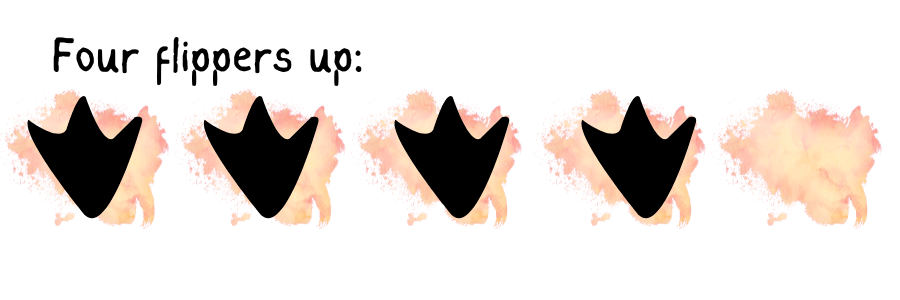
Duck: I ducking agree. IF was a good movie. The concept was meaningful, the performances were super-ducking awesome, and the animation rocked my flippers more than my goldfish-shaped flipper-slippers. And the ending was romantic—though obviously not in a romantic-love, genre-romance sort of way.
Star: Great creativity in IF for sure, with special duck-worthy kudos to Steve Carell who knows exactly how to voice Blue, the most adorable fuzzy friend for miles.
Duck: Cailey Fleming and Ryan Reynolds quacker-aced the main roles, bringing both quirk and pond-deep meaning to their performances. Fiona Shaw was effervescent as Grandma—we’re big fans of Shaw in a duck-shaped ALWAYS sort of way. And Steve Carell, who voiced Blue, was an absolute LEGEND. We’d also like to mention Alan S. Kim who did a wonderful job as hospital patient Benjamin, making a smaller role really pop with humor, meaning, and warmth.
Star: But in spite of these shimmering actors, the emotional stakes in IF could have been higher—not in terms of what the protagonist Bea was going through, which was deeply moving, but in terms of the meaningfulness of the imaginary friends themselves.
Duck: As a plush duck who believes passionately in the beak-to-feathers importance of imagination, I agree with that for sure.
And what about diversity, Star?
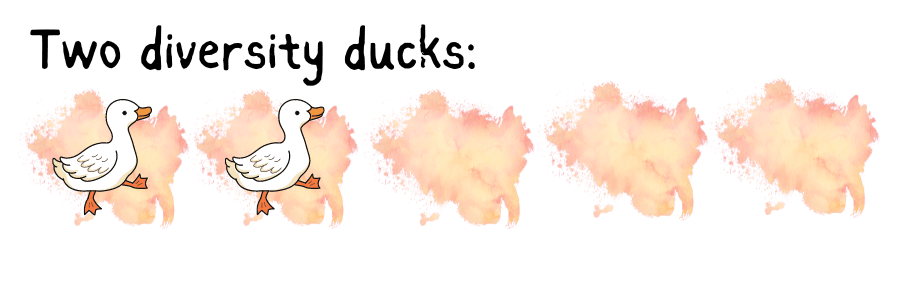
Star: An opportunity missed, I’d say. The imaginary friends themselves, who weren’t always easy to categorize in terms of gender presentation, posed an ideal opportunity for nonbinary pronouns and identities. But alas no! Not a lick. And although there was racial diversity on this cast, which we applaud, more visible protagonists of color is a no-brainer. I’d also argue that this would have been the perfect focus for more neurodiversity—it wouldn’t have taken much to get there, to be frank, but IF didn’t go far enough, IMO.
Duck: Peeps with chronic illness were better-represented in IF though, so lots of duck-shaped kudos there. Still, in terms of neurodiversity, characters like Blue posed a duck-sized opportunity that was a more shamed than it was seized.
Star: You make a great, duck-shaped point.
Duck: Thanks! I also make a great duck-shaped duck!
Star: Very true!
Anyway, when it comes to IF, we were all ponds-at-midnight about the theme itself. Extremely important! Imagination and inner realities deserve more focus in movies, and IF does a wonderful job of exploring their importance—for adults as well as younger folks. That in itself does contribute towards diversity.
Duck: Even so, IF does better in terms of entertainment than it does in terms of pondweed tea.
Star: Don’t you mean “In terms of diversity”?
Duck: Oh I do! It’s clearly just time for a cuppa.
Star: Join us, folks? Pondweed tea isn’t the only brew available.
Duck: But trust me. You’ll want it. It’s deliciously gooey in the beak-holes.
At the time of writing, you can watch IF here:
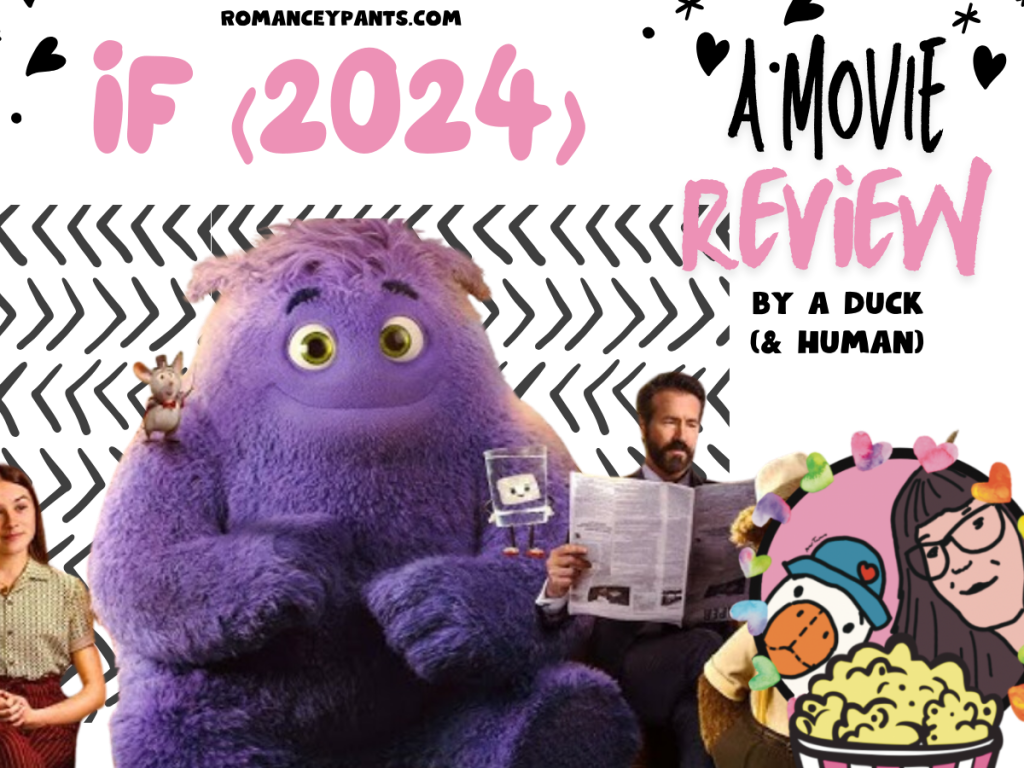
Image credits: Movie image in featured image taken via screenshot from the YouTube movie trailer. Image design by Star Tavares using Canva elements.

 Romancey Pants